Charting the Quiet Links Between Transaction Management Tools and Merchant Account Adaptability in Seasonal Online Sales Networks
Written by Alex Richter · Oct 6, 2026
Charting the Quiet Links Between Transaction Management Tools and Merchant Account Adaptability in Seasonal Online Sales Networks
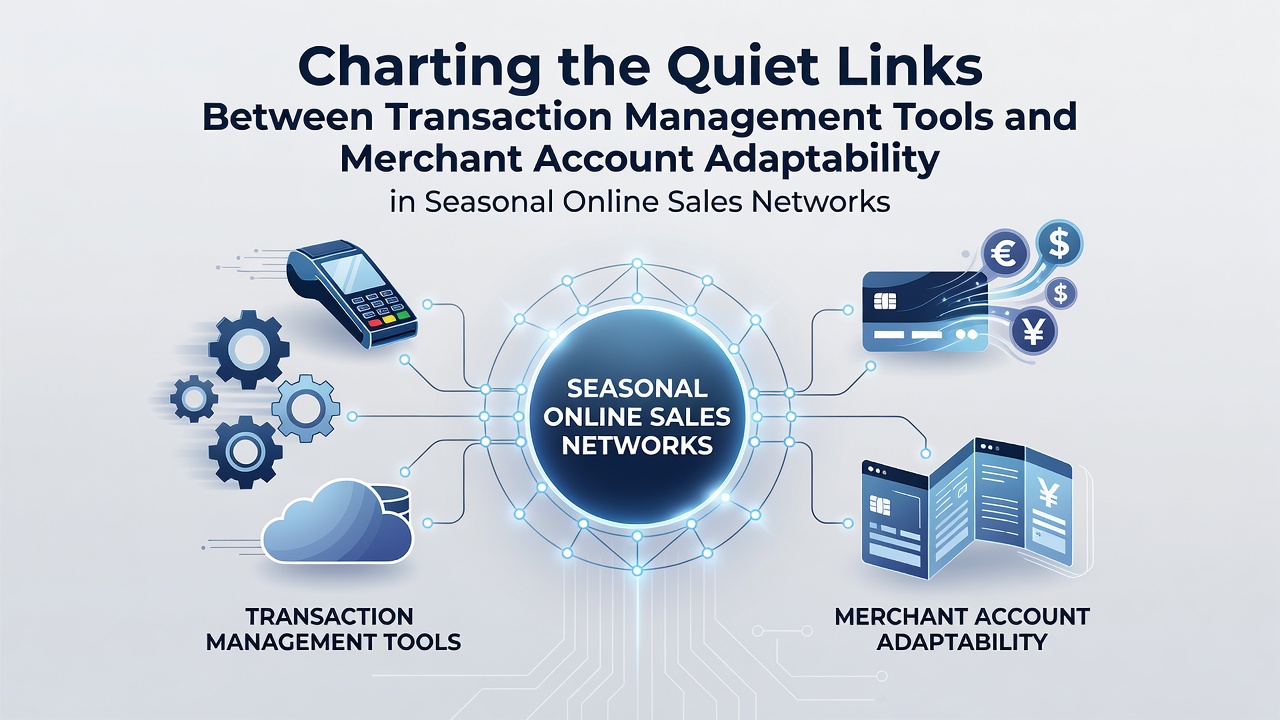
Transaction management tools handle the flow of payments through merchant accounts by processing authorizations, capturing funds, and generating settlement reports, while merchant account adaptability refers to the capacity of those accounts to adjust parameters such as credit limits, fee structures, and processing speeds in response to fluctuating demand. Seasonal online sales networks experience predictable spikes during periods like back-to-school promotions or end-of-year holidays, and data from industry reports shows that these peaks require coordinated adjustments between the two systems to avoid processing delays or account restrictions.
Core Functions of Transaction Management Tools
Transaction management tools aggregate data from multiple payment channels, apply fraud filters, and reconcile daily batches against bank statements, which creates a detailed record that merchant account providers use when evaluating requests for temporary limit increases or rate modifications. In October 2026 observers noted elevated volumes of account adjustment requests across North American platforms as retailers prepared for holiday surges, and figures from the Bank for International Settlements indicate that integrated tools reduced settlement discrepancies by linking real-time dashboards directly to account management interfaces.
These tools also support dynamic routing of transactions across different acquiring banks, which allows merchant accounts to shift volume to providers with available capacity during high-demand windows. Researchers at academic institutions studying payment ecosystems have documented how such routing depends on API connections that transmit velocity data and chargeback ratios, thereby informing the adaptability decisions made by account underwriters.
Adaptability Mechanisms in Merchant Accounts
Merchant accounts achieve adaptability through modular underwriting frameworks that permit seasonal overrides, including extended rolling reserves or scaled transaction caps, and transaction management tools supply the historical performance metrics required to activate these overrides without triggering manual reviews. According to reports issued by the Reserve Bank of Australia, accounts equipped with automated data feeds from management platforms experienced fewer interruptions during peak periods compared with those relying on static configurations.
Seasonal networks often operate across multiple regions, so adaptability also involves aligning with varying regulatory requirements for funds availability and disclosure, while the tools maintain compliance logs that feed into account-level reporting. This linkage becomes particularly relevant when sales volumes shift rapidly between domestic and cross-border channels.
Interconnections Revealed Through Data Patterns
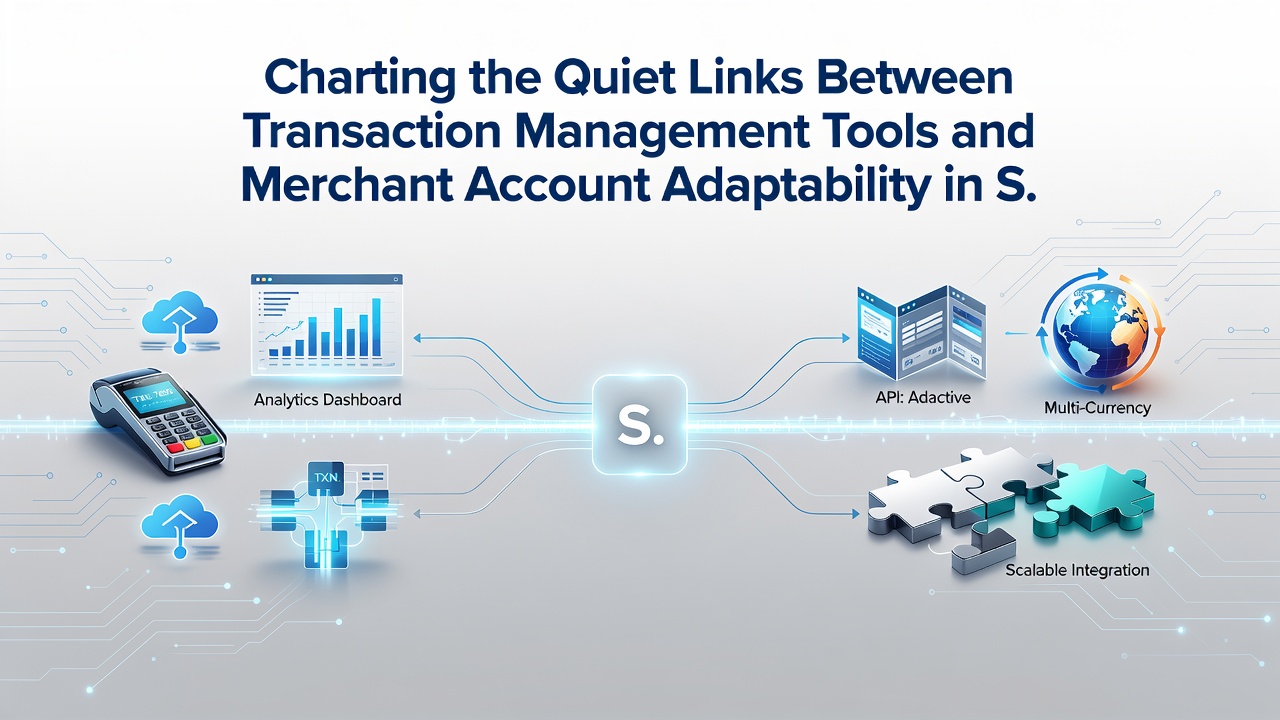
Patterns emerge when transaction management platforms export settlement histories that highlight correlations between processing latency and subsequent account limit adjustments, and analysts examining these datasets have identified feedback loops where faster reconciliation enables quicker approval of seasonal capacity expansions. European Central Bank publications on retail payment systems describe similar linkages in multi-country networks, noting that standardized data formats facilitate the transfer of performance indicators between tools and account providers.
Seasonal online sales networks rely on these quiet connections because abrupt volume changes can strain reserve calculations and trigger automatic holds, yet integrated tools allow preemptive recalibration by projecting cash-flow requirements based on prior-year benchmarks. Data from Payments Canada shows that merchants using such projections maintained higher approval rates for temporary account modifications during comparable seasonal windows.
Operational Ripple Effects Across Networks
When transaction management tools detect anomalies in authorization success rates, they generate alerts that prompt merchant account teams to adjust risk parameters before a full seasonal surge materializes, and this proactive exchange reduces the incidence of declined transactions during critical selling periods. Observers tracking global e-commerce flows have recorded instances where delayed data sharing between the two systems resulted in temporary account freezes, underscoring the dependency on timely information exchange.
Network-level effects appear in aggregated statistics, where clusters of adaptable accounts supported by robust management tools demonstrate smoother volume distribution across gateways, and industry reports compiled by university research centers confirm that these clusters contribute to overall stability in seasonal payment ecosystems.
Conclusion
The documented connections between transaction management tools and merchant account adaptability rest on shared data streams that enable responsive parameter changes during seasonal fluctuations, and evidence from regulatory and research sources continues to map these operational pathways. Continued examination of these linkages provides measurable insights into how seasonal online sales networks maintain processing continuity across varying demand cycles.